Image: Éric Samarut
Project description
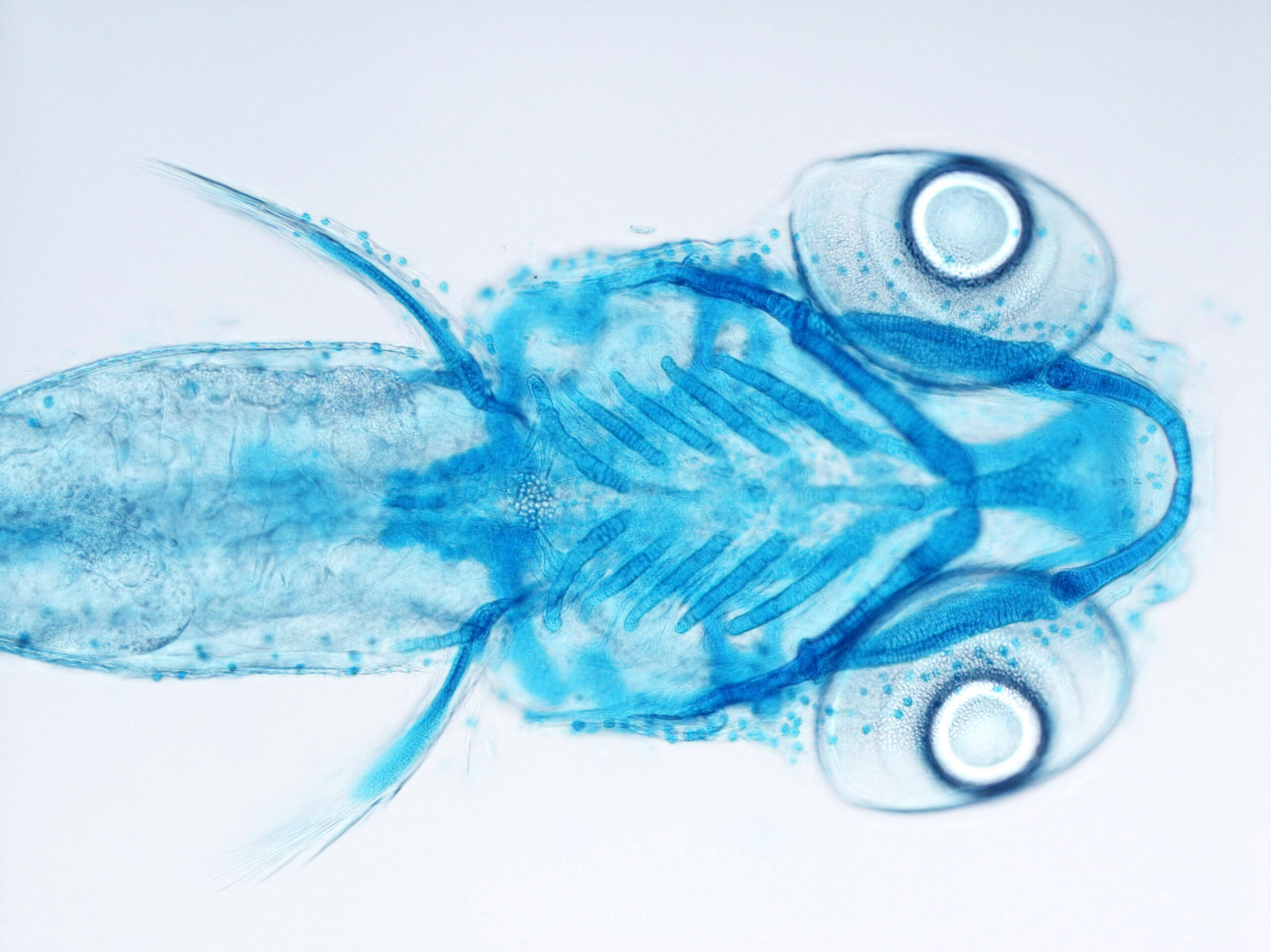
Pathogenic variants affecting BORC complexes have recently been linked to neurodevelopmental disorders (NDDs), highlighting the crucial role these complexes play in the development and function of the nervous system. In collaboration with several teams, we identified genetic variants in *BLOC1S2*—which encodes a subunit shared by the BORC and BLOC-1 complexes—in patients with NDDs. These patients exhibit features such as white matter atrophy, ventriculomegaly, motor symptoms (including hypotonia and myopathy), and craniofacial abnormalities. BLOC-1 is involved in the biogenesis of lysosome-related organelles, whereas BORC regulates their positioning and transport along the cytoskeleton (De Pace et al., 2024). Studying *BLOC1S2* will provide insight into the functions of these complexes in neurodevelopment and allow us to assess the pathogenicity of the identified variants. We will generate a biallelic *bloc1s2* F0 knockout zebrafish model; this model will first be genetically validated and subsequently characterized morphologically and functionally. We will assess locomotion, brain development, and craniofacial abnormalities. We will also characterize muscles and lysosomes to better define the role of *bloc1s2* in neuronal deficits.
Research team
Name: Olivia Talbot
Supervisor: Kessen Patten
Winner: CERMO-FC master’s scholarship 2026